
Resources
If you have diabetes, it is very important that you learn to care for yourself and your health. Keeping your blood glucose levels within your target range is the best way to stay healthy. This section can help you learn about diabetes, and provides tools and resources to help you with your diabetes management.
Information
What is diabetes?
Diabetes is where blood glucose (or sugar) levels run too high. Diabetes currently affects 537 million adults worldwide and is expected to increase to 783 million by 2045.1
Read more
Blood glucose monitoring
If you take certain medication, having knowledge of your blood glucose levels is an integral part of having diabetes.
Tools
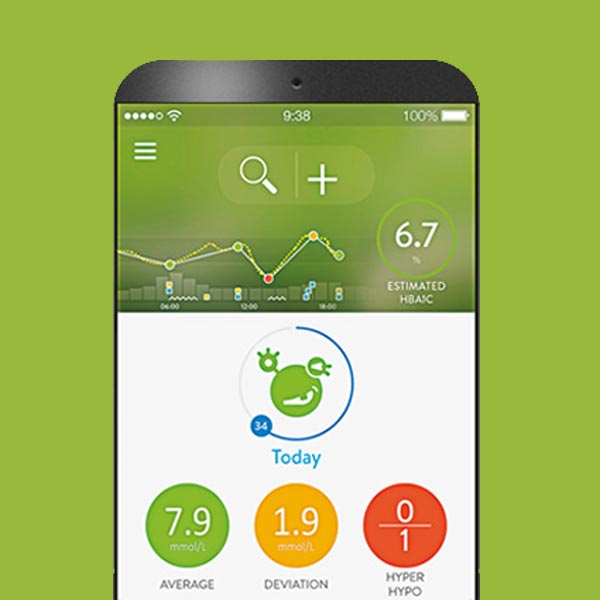
mySugr app
The free mySugr logbook app is an easy and complete diabetes tracker for your phone (iOS and Android).
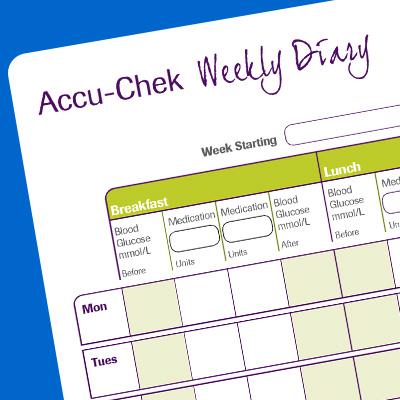
Accu-Chek Diaries
Use these diary templates to record your blood glucose measurements, your medical doses and any comments you want to keep.
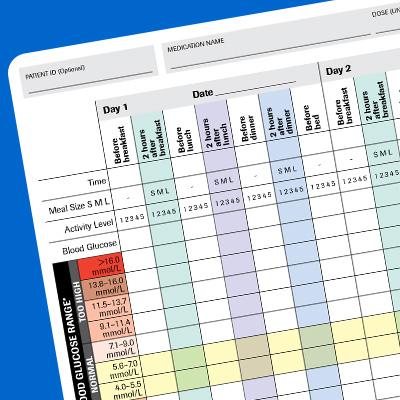
Accu-Chek 360° View tool
The Accu-Chek 360° View tool could help you reduce your HbA1c and have more meaningful conversations with your healthcare professional.2
Read more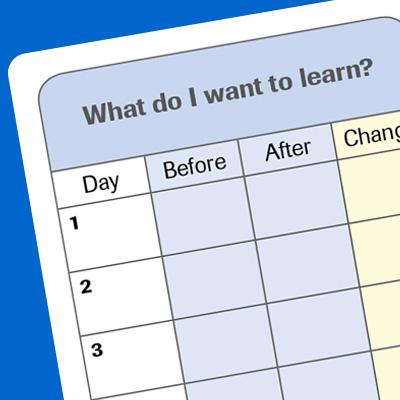
Accu-Chek Testing in Pairs tool
Testing in Pairs is a paper tool designed to help you see changes in your blood sugar before and after a specific meal, exercise, or other event.
Read more
Carbohydrate counting tool
Use our handy interactive tool to find out how carbohydrate counting could benefit you, and watch our short course in Carbohydrate Counting videos.
Average blood glucose and the HbA1c test
Your HbA1c (also known as A1c or glycated haemoglobin) can give a general gauge of your diabetes management.